Welcome to Uganda's eastern wonderland
Rising dramatically on the border between Uganda and Kenya, Mount Elgon is one of Africa's most ancient and fascinating mountains—a massive extinct volcano with the largest volcanic base in the world, spanning an incredible 4,000 square kilometers. While it once towered higher than Kilimanjaro, millions of years of erosion have sculpted it into a breathtaking landscape of jagged peaks, deep caves, hot springs, and the magnificent Sipi Falls cascading down its foothills. Just a 4-5 hour drive from Kampala via Jinja and Mbale, this region offers the perfect blend of adventure, culture, and natural beauty. Whether you're a seasoned trekker aiming for the summit or a casual traveler seeking waterfall hikes and coffee experiences, Mount Elgon and Sipi Falls deliver an unforgettable Ugandan adventure.
Eastern highlands through the lens
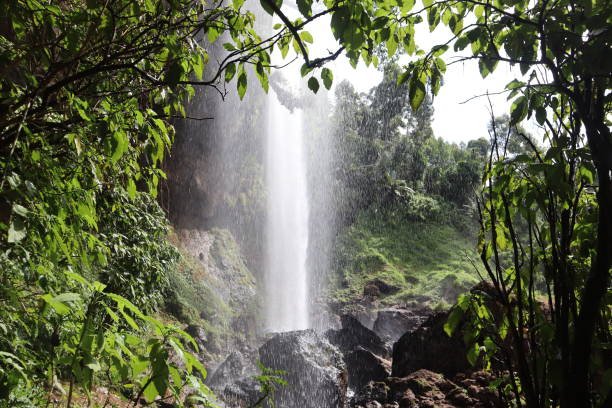
The three waterfalls of Sipi
The name "Sipi" comes from a local indigenous wild banana called 'Siped' in the Sabiny dialect, which was used as herbal medicine by the community. The falls are formed by the Sipi River, which flows from hot springs on top of Mount Elgon and encounters high cliffs as it descends.
Ngasire Falls (85m)
Height: 85 meters | Elevation: 2,010m
The first waterfall from the top, accessible via community trails or by motorcycle in dry weather. A trail cuts behind the waterfall for incredible views of the falls and panoramic vistas of the Karamoja plains.
Chepkui Falls (65m)
Height: 65 meters – the smallest of the three
Located in Chepkui Village, this waterfall offers a natural shower you can stand under on warm days. There's also a man-made cave behind the falls, perfect for photography and experiencing the falls from a unique perspective.
Main Falls / Kaptogolo (100m)
Height: 100 meters – the tallest and most iconic
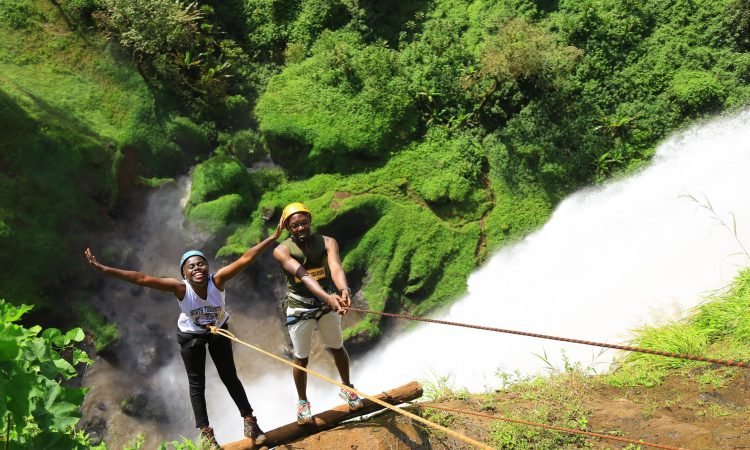
This is the main waterfall, often mistaken as "the" Sipi Falls. It has a large plunge pool where you can swim in the cold waters—often called a "natural swimming pool." This is also where abseiling takes place.
The three waterfalls cannot be seen all at once—you must hike to each one. The full hike covers approximately 7-8 km and takes 3-4 hours, winding through villages, coffee and banana farms, with excellent views of the massive cliffs and Mount Elgon's green slopes. A local guide is mandatory as trails can be confusing and muddy in wet conditions. Guide fees are around $5-10 USD per person.
Mount Elgon trekking routes compared
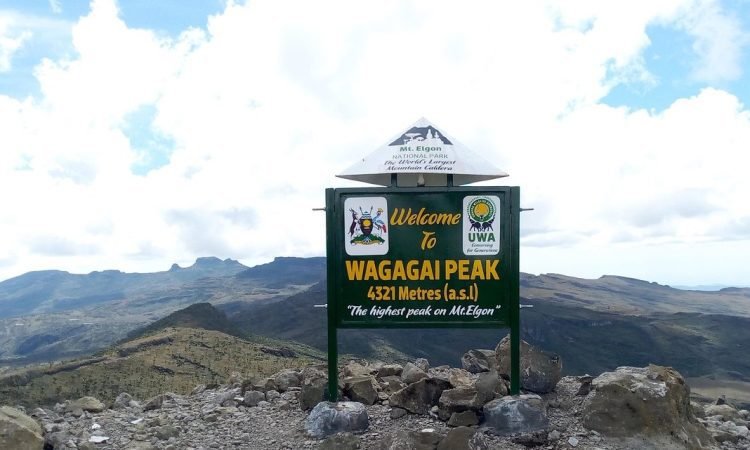
Mount Elgon offers four main trekking routes to the caldera and Wagagai Peak (4,321m), each with unique characteristics. The best trekking conditions are during the dry months: December to February and June to August.
Sipi Trail
Start: Kapchorwa near Sipi Falls
Features: Most popular route. Passes Sipi Falls, Tutum Cave, montane forests, bamboo zones. Good for wildlife viewing including baboons and colobus monkeys.
Elevation gain: Gradual, less steep than Sasa
Sasa Trail
Start: Budadiri town
Features: Shortest and most direct route to Wagagai Peak. Steep and slippery with the famous "Wall of Death" climb.
Note: Requires good physical fitness
Piswa Trail
Start: Kapkwata (northern park)
Features: Longest route, gentle ascent, less crowded. Passes hot springs, good for birding and antelopes. Established campsites.
Suam Trail
Start: Suam trading centre (Uganda-Kenya border)
Features: Least developed, requires guide. Passes through dense forest, bamboo, moorland. Limited facilities.
🆕 New for 2026: Bushiyi Trail – Sipi–Bushiyi route
The Bushiyi Trail is the newest addition to Mount Elgon's trekking options, designed for travelers who want to reach Wagagai Peak efficiently while experiencing both the Sebei (Sipi) and Bugisu cultures.
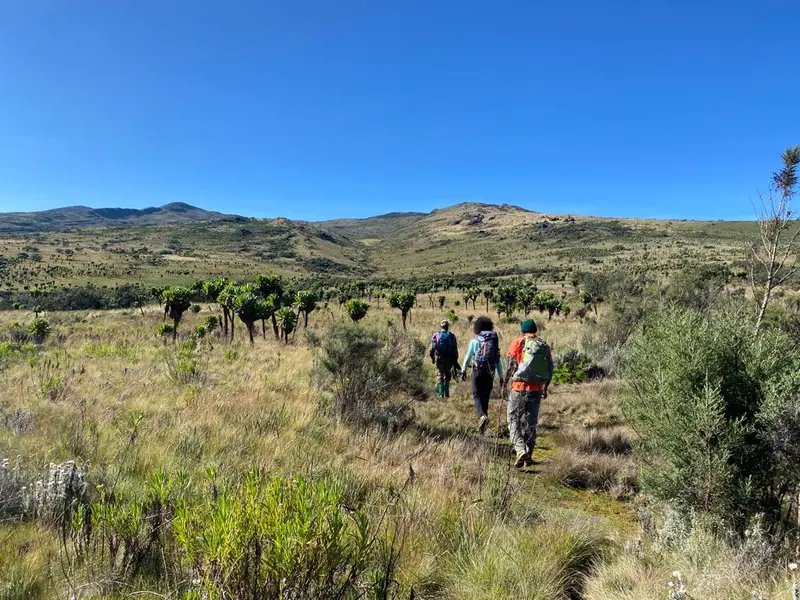
Duration: 3-4 days | Difficulty: Moderate | Start: Kapkwai Forest Exploration Centre
This route begins in the scenic Sipi Falls region, passes through Tutum Cave, crosses Mount Elgon's vast caldera (the largest in the world), and summits Wagagai before descending through Bugisu communities to the Bushiyi exit gate. It's ideal for first-time high-altitude trekkers seeking a balanced adventure.
Sample 4-Day Sipi–Bushiyi Trek Itinerary
Day 1: Kapkwai → Kajeri Rest Camp
Start at Kapkwai Forest Exploration Centre (1,900m). Trek 22km through montane forest and bamboo zones to Tutum Cave, famous for seasonal waterfalls. Continue to Kajeri Rest Camp (3,350m). Hiking time: 5-6 hours.
Day 2: Kajeri → Mwongogo Cave Camp (3,870m)
Enter the caldera, crossing alpine vegetation with sweeping views. Lunch beside Muyembe River, then steady ascent to Mwongogo Cave. Camp under the stars. Hiking time: 5-6 hours.
Day 3: Summit Day – Wagagai Peak (4,321m) → Dubi River Camp
Early start for the summit ascent. On clear days, see Kenyan peaks including Koitobos and Sudek, Suam Gorge, and the immense caldera. Celebrate at the summit, then descend via Bushiyi trail to Dubi River Camp (3,563m). Hiking time: 7-8 hours.
Day 4: Dubi River → Bushiyi Exit Gate
Final descent through forested slopes and Bugisu communities. Sign out at Bushiyi gate, transfer by boda-boda to River Line Resort for hot lunch. Hiking time: approximately 6 hours.
Adventure activities around Sipi
🧗 Abseiling / Rappelling
Sipi Falls is Uganda's premier abseiling destination. Descend the 100m main waterfall with trained guides and safety equipment. Suitable for beginners and experienced adventurers—thrilling with water spray, roaring falls, and cliff views.
🚴 Mountain Biking
Trails wind through coffee plantations, farmland, and forest patches. Combines physical challenge with immersive exploration. Local guides available.
🐴 Horseback Riding
Explore the highlands on horseback—cover more ground, access remote areas, and enjoy unique perspectives of waterfalls and valleys.
🧗♂️ Rock Climbing
Natural volcanic rock faces and limestone outcrops near Sipi Falls offer climbing challenges for experienced adventurers.
Coffee & culture: Sabiny traditions
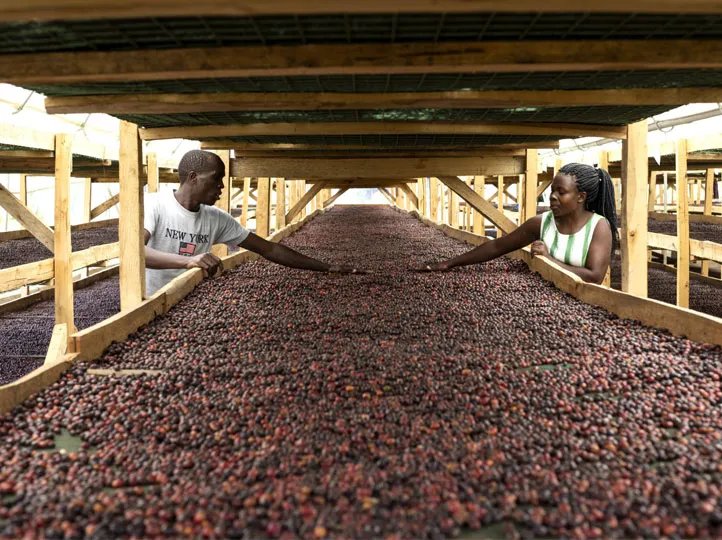
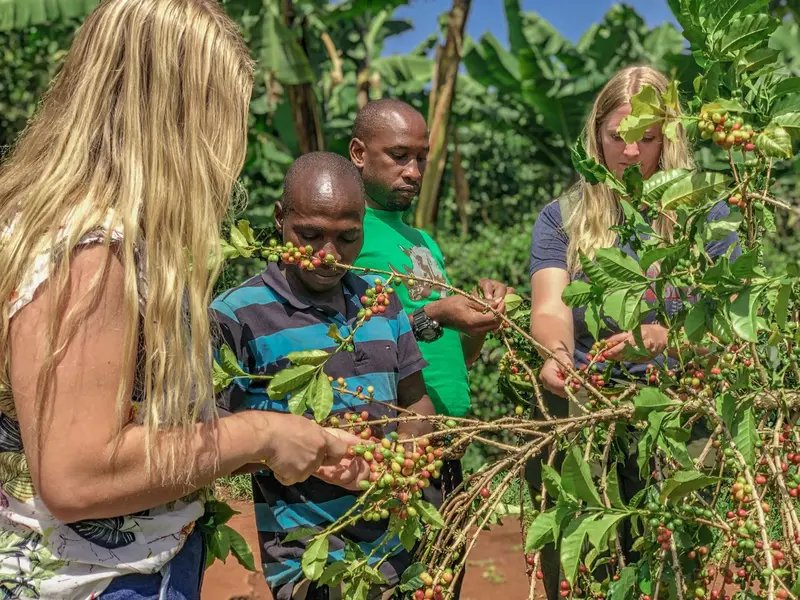
The Sipi region is famous for Arabica coffee, grown by smallholder farmers on the fertile slopes. Every family farms, roasts, and brews their own coffee. On a coffee tour, you'll participate in planting, harvesting, and traditional processing—learning how the community's livelihood intertwines with the land.
The area is home to the Sabiny people, known for their warm hospitality and rich traditions. Cultural visits include village walks, traditional dance performances, and sharing a pot of local brew with elders. Male circumcision rituals are an important cultural event you may witness if timing aligns.
Caving: Kitum & Cheptui
Mount Elgon's volcanic history created a network of caves, including Kitum Cave, famous for elephants that enter to mine salt—a behavior rare in the animal kingdom. Cheptui Cave offers volcanic formations and stalactites. Guided tours provide insights into geology, ecology, and cultural history.
Wildlife: Forest elephants, leopards, bushbucks, duikers, and over 300 bird species including the endangered Lammergeier. Primates include black-and-white colobus, blue monkeys, and baboons.
Where to stay near Sipi Falls
| Luxury | Mid-Range | Budget |
|---|---|---|
| Sipi River Lodge (upmarket, riverside cottages) | Lacam Lodge (great views, good food) | The Crow's Nest (budget, stunning panorama) |
| — | Sipi Falls Resort (mid-range, convenient) | Rai's Eco Cottages (community-run, affordable) |
Best time to visit
Dry season (June–August, December–February): Ideal for trekking—trails drier, views clearer, summit conditions safer.
Wet season (March–May, October–November): Lush landscapes, roaring waterfalls, fewer tourists—but trails muddy and slippery.
Getting to Sipi Falls & Mount Elgon
By road: 4-5 hours from Kampala via Jinja–Mbale–Kapchorwa route. Paved roads to Mbale, then good murram to Sipi.
By air: Charter flights from Entebbe to Soroti Airstrip, then road transfer.
Packing essentials
- Sturdy hiking boots with good grip
- Warm layers and waterproof jacket
- Water bottle, snacks, reusable bag
- Insect repellent, sunscreen, hat
- Binoculars and camera with zoom lens
- Walking stick (guides often provide)
- Sleeping bag for multi-day treks
📅 Ready for your Mount Elgon adventure?
Let Kyobe Safaris craft your perfect eastern Uganda escape—from a 2-day Sipi Falls getaway to a full 6-day Mount Elgon trek. Add coffee tours, cultural visits, and community experiences. Every booking supports local communities.
“We did the 4-day Sipi–Bushiyi trek with Kyobe—absolutely incredible. Summiting Wagagai at sunrise, then descending through misty forests... and the Sipi Falls abseil was the adrenaline rush we didn't know we needed!”
— David & Lena, Germany (travelled February 2026)
Frequently Asked Questions
How hard is the hike to Sipi Falls?
Moderate. The full 7-8km trail takes 3-4 hours with some steep sections. Muddy in rain—good boots essential. Local guides mandatory.
Do I need a guide for Mount Elgon trekking?
Yes—all treks require UWA-registered guides. Book through a tour operator like Kyobe Safaris for complete arrangements including permits, guides, porters, and accommodation.
What is the best route for first-time trekkers?
Sipi Trail (3-4 days) or the new Sipi–Bushiyi route (4 days) offer scenic beauty and moderate difficulty.
Can I visit Sipi Falls without climbing Mount Elgon?
Absolutely! Many visitors come just for the waterfalls, abseiling, coffee tours, and cultural experiences. Day hikes and 2-day getaways are popular.
What is the cost of Sipi Falls guided hike?
Local guide fees are approximately $5-10 USD per person. Park entry fees and activity costs are extra.
📖 Read more: Kibale: The Primate Capital → or The Golden Bean: Ugandan Coffee Guide