Welcome to the ultimate primate experience
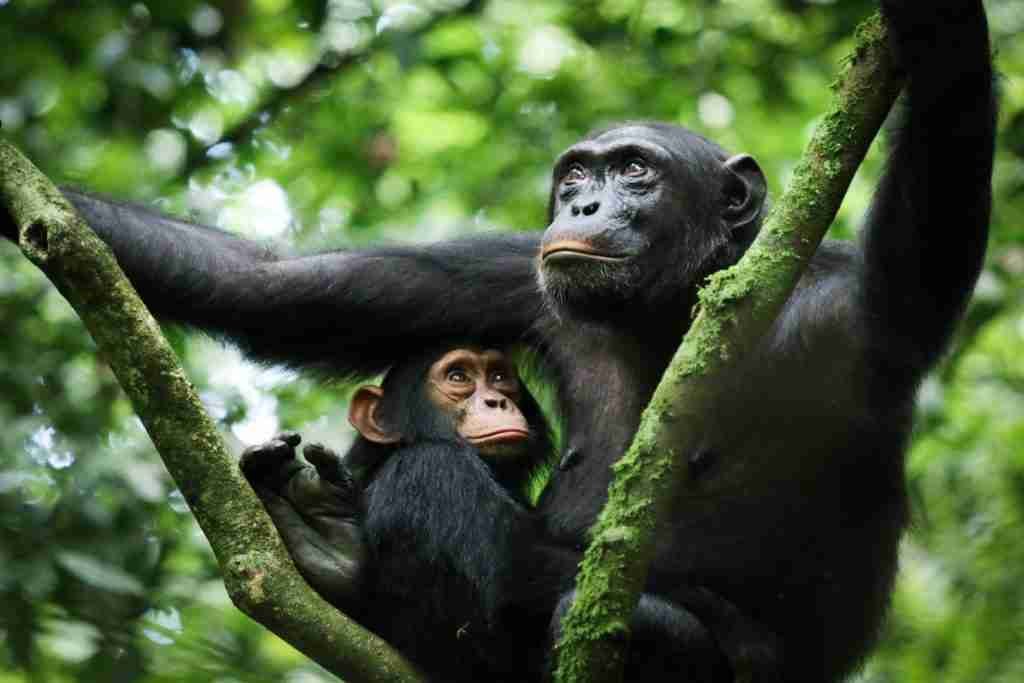
If you’ve ever dreamed of walking through an ancient rainforest while chimpanzees swing overhead, Kibale National Park is your destination. Located in western Uganda, this 795km² protected forest shelters the highest concentration of primates in all of Africa — earning its nickname, the Primate Capital of the World. Over 1,500 chimpanzees live here, along with 12 other primate species including the rare red colobus, L’Hoest’s monkey, and grey-cheeked mangabey. But Kibale is more than chimps: it’s a birder’s paradise (375+ species), a haven for butterfly lovers, and a place where communities welcome you with open arms.
🦍 Chimpanzee trekking: what to expect

Your day starts at the Kanyanchu Visitor Centre with a 8:00am briefing. Led by an experienced Uganda Wildlife Authority guide, you’ll venture into the forest in search of a habituated chimpanzee community. Trekking can take anywhere from 30 minutes to 3 hours — but the thrill of hearing pant-hoots echo through the trees is unforgettable. Once you locate the troop, you’ll spend a full hour observing their intimate social lives: grooming, playing, feeding, and occasionally, dramatic displays. Success rate is over 95%, thanks to decades of habituation.
🐵 Chimpanzee Habituation Experience (CHEX)
For those wanting more, the CHEX programme lets you spend a full day (4 hours) with the chimps and researchers. You’ll witness how they become accustomed to humans and see behaviours missed on shorter treks. Permit: USD 300 (vs regular trekking USD 250).
📸 A glimpse into Kibale’s wild beauty
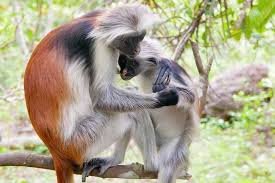
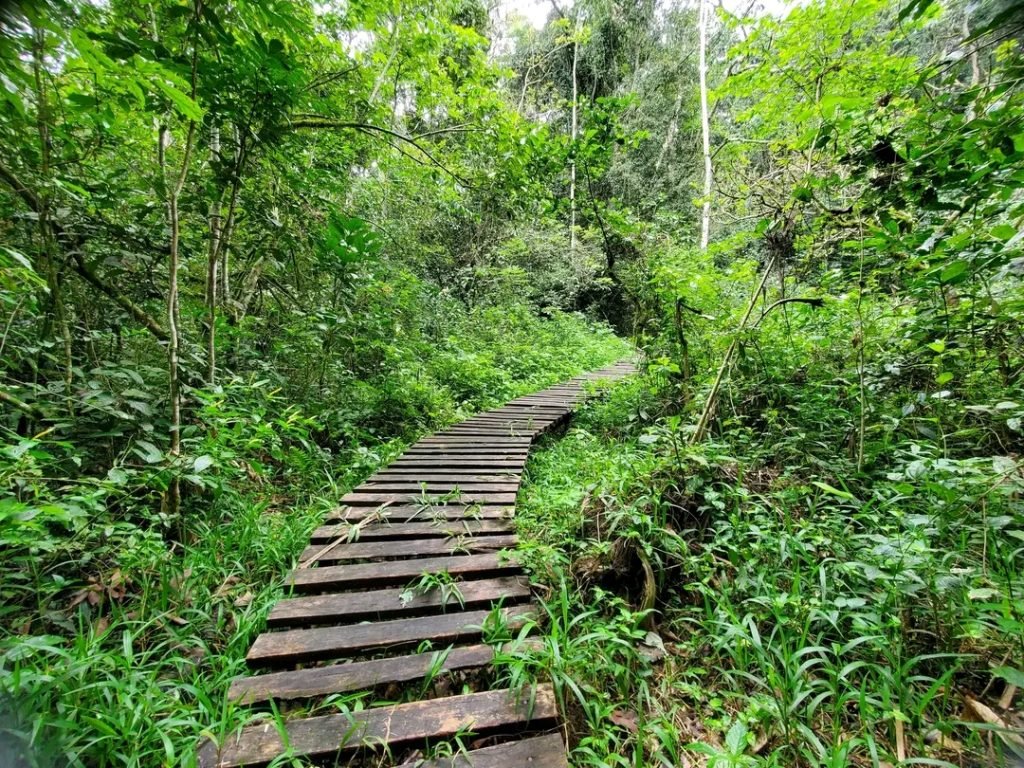
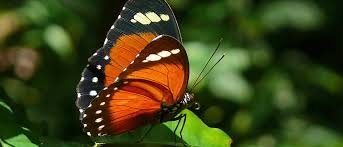

🌿 Beyond chimps: 12 other primates & forest giants
Kibale’s trails are alive with primates. Keep your eyes on the canopy for black-and-white colobus, red-tailed monkeys, blue monkeys, and the striking L’Hoest’s monkey. You might also encounter forest elephants, giant forest hogs, and if you’re lucky, the elusive leopard.
🌳 Bigodi Wetland Sanctuary – community & birds
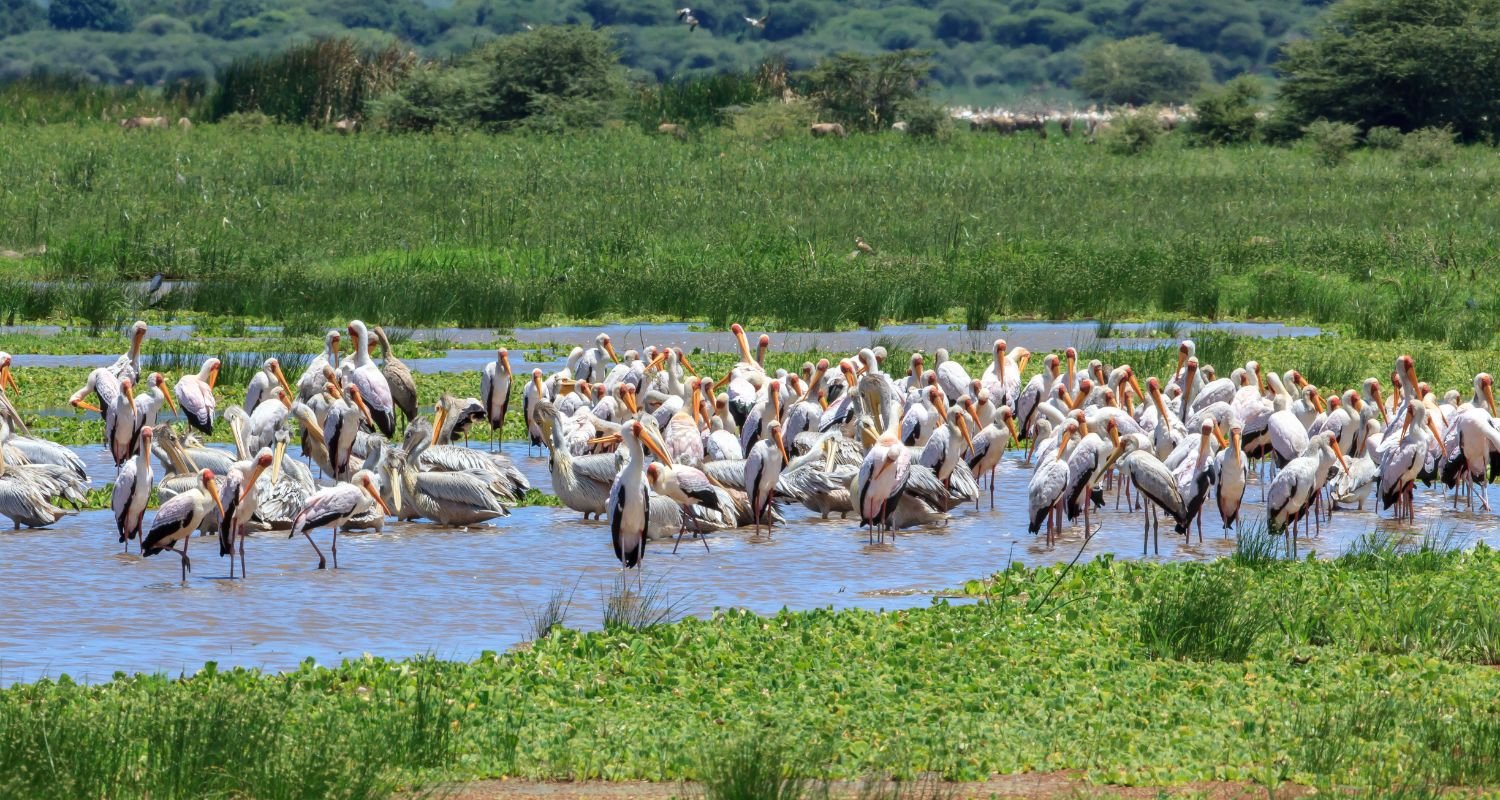
Just outside the park, the community-run Bigodi Wetland Sanctuary offers excellent boardwalk trails through papyrus swamp. It’s a birder’s dream: expect great blue turacos, papyrus gonolek, and over 130 bird species. Primates like mangabeys and colobus also frequent the wetland. Your visit directly supports the local village.
🔭 Birdwatching & night walks
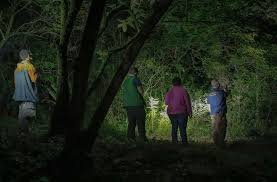
With 375 recorded species, Kibale is a top destination for birders. Forest specialists like the African pitta, yellow‑rumped tinkerbird, and blue‑headed bee‑eater thrive here. Nocturnal walks at the forest edge reveal pottos, bushbabies, nightjars and owls — a whole different world after dark.
🌱 New in 2025: Kibale Conservation Education Centre
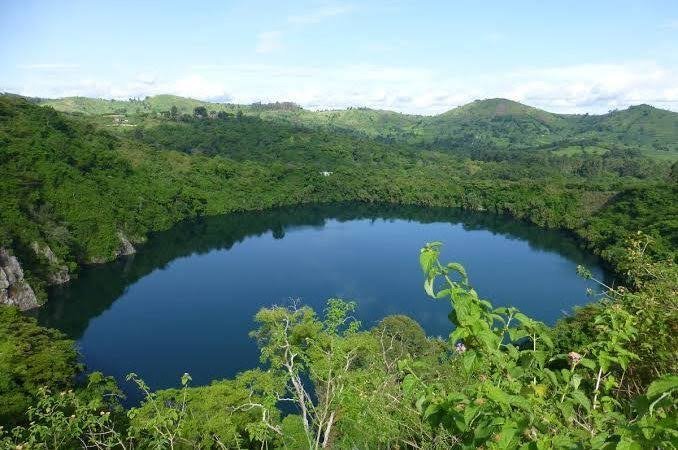
In August 2025, the Uganda Wildlife Authority opened a Shs600 million Conservation Education Centre in Kibale, funded by global partners. It serves students, researchers, and visitors interested in forest restoration and climate action. Over 7,152 hectares have been restored through native tree planting — a beautiful story of hope you can learn about during your visit.
💰 Chimpanzee trekking permits & fees (2026)
| Activity | Cost (USD) | Notes |
|---|---|---|
| Chimpanzee trekking permit | $250 | 1 hour with chimps |
| Habituation experience (CHEX) | $300 | Full day (4 hours) |
| Park entry fee | $40 | per day, paid separately |
| Bigodi wetland guided walk | $20–30 | community fee |
Permits must be booked in advance through a trusted tour operator like Kyobe Safaris. Only visitors aged 12+ can trek.
📅 Best time to visit Kibale
Kibale is open year‑round, but the dry seasons (June–September & December–February) offer easier trails and higher chimp activity. The wet seasons (March–May, October–November) mean muddier paths but lush scenery, fewer tourists, and prime birding for migratory species.
🏕️ Where to stay in Kibale
| Luxury | Mid‑range | Budget |
|---|---|---|
| Kyaninga Lodge, Ndali Lodge | Turaco Treetops, Primate Lodge | Kibale Forest Camp, Chimpanzee Guesthouse |
Most lodges are near the park entrance in Fort Portal or close to Kanyanchu.
🎒 What to pack for Kibale
👕 Clothing
Long‑sleeved shirts, trousers, waterproof jacket, hiking boots, wide‑brim hat.
📷 Gear
Camera with zoom (no flash near chimps), binoculars, spare batteries, waterproof bag.
🧴 Health
Insect repellent (malaria risk), first‑aid kit, hand sanitizer, prescribed meds.
🍫 Extras
Snacks, 2L water, gardening gloves (for gripping wet trails), daypack.
🚗 Combine Kibale with other safari highlights
Kibale is perfectly positioned. Add a 2‑hour drive to Queen Elizabeth National Park for tree‑climbing lions and boat cruises, or head south to Bwindi for gorilla trekking. Many travelers also visit the crater lakes or do a coffee/banana beer experience with local communities.
📅 Ready to meet the chimps?
Book your Kibale safari with Kyobe Safaris — we include community visits to Bigodi or schools supported by Muninguzo Foundation. Every booking helps children in Uganda return to school.
✶ Prefer WhatsApp? +256 700 123456 (chat with our safari expert)
“Tracking chimps in Kibale was raw and emotional. Our guide knew every sound. And visiting Bigodi wetland — the community’s pride — made us feel part of something bigger.”
— The Johnsons, Canada (travelled Sept 2025)
❓ Frequently Asked Questions
How hard is chimpanzee trekking?
Moderate. Trails can be muddy and uneven, but anyone with reasonable fitness can manage. Guides will help you. Trekking may last 1–3 hours.
Can I see chimps if I don't trek?
No — you must trek into the forest. But the experience is well worth it, and you'll likely see other primates too.
What is the minimum age?
12 years for chimpanzee trekking (for safety and permit rules).
Is Kibale safe for solo travellers?
Absolutely. You'll join a group with armed ranger-guides. Solo travellers are very common.
How do I book permits?
Kyobe Safaris handles all permit bookings and logistics — just tell us your preferred date.
📖 Read next: How your safari helps children return to school → or Why East Africa should be your next holiday