Welcome to Uganda's smallest savannah park
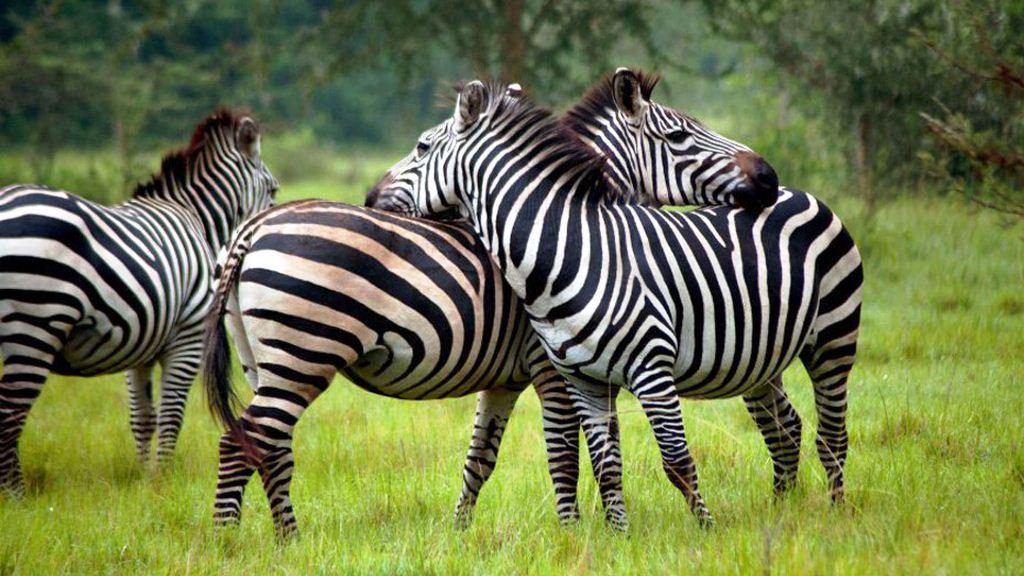
At just 370 square kilometers, Lake Mburo National Park is the smallest savannah national park in Uganda, but what it lacks in size it more than makes up for in diversity and accessibility . Nestled among the rolling hills of the Banyankole Bahima tribal land in Kiruhura District, this compact gem offers a uniquely intimate safari experience. It's the only park in Uganda where you can find impala (from which Kampala derives its name) and one of only three protected areas where Burchell's zebra occurs. Just a 4-hour drive from Kampala via Masaka, it's the perfect weekend escape or a delightful stopover en route to Bwindi or Queen Elizabeth National Parks.
Lake Mburo through the lens
A brief history: from hunting ground to protected park
Lake Mburo's conservation journey began in 1933 as a controlled hunting area, becoming a game reserve in 1963. It was officially upgraded to a national park in 1983 to protect its unique biodiversity [citation:9]. The park faced challenges during political unrest, with wildlife populations suffering from poaching and tsetse fly control programs. Today, thanks to collaborative efforts between the Uganda Wildlife Authority (UWA) and local communities, Lake Mburo stands as a model of successful coexistence between wildlife and the Banyankole pastoralists who live alongside the park.
Unique wildlife: where to see Uganda's special species
Lake Mburo is the only protected area in Uganda where you'll find:
Other mammals regularly spotted include buffalo, warthog, hippopotamus, crocodile, waterbuck, oribi, bushbuck, reedbuck, klipspringer, and if you're lucky – leopard and hyena. The park is also home to over 350 bird species, making it a paradise for birders
Top things to do in Lake Mburo
Game Drives
Morning and afternoon drives along the Kazuma track offer panoramic views of the park's five lakes. Best for spotting zebras, elands, topis, and the elusive leopard.
Boat Cruise
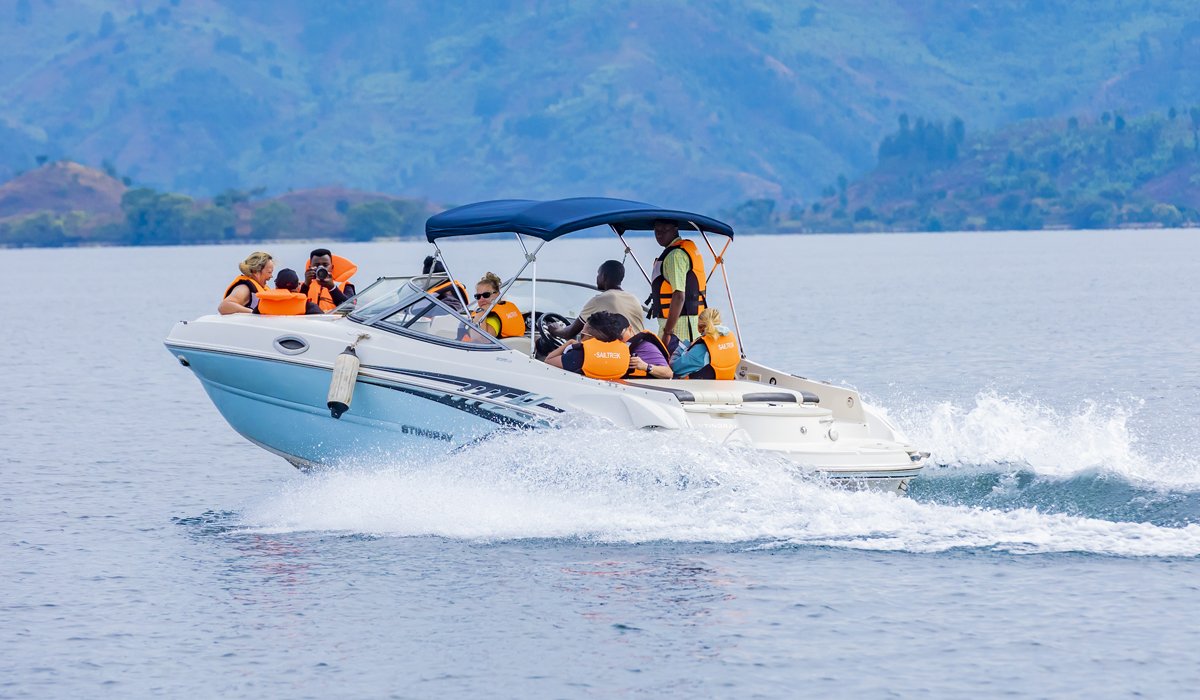
A 2-hour cruise on Lake Mburo brings you close to hippos, crocodiles, and waterbirds. Look for the African finfoot, malachite kingfisher, and fish eagles .
Walking Safari
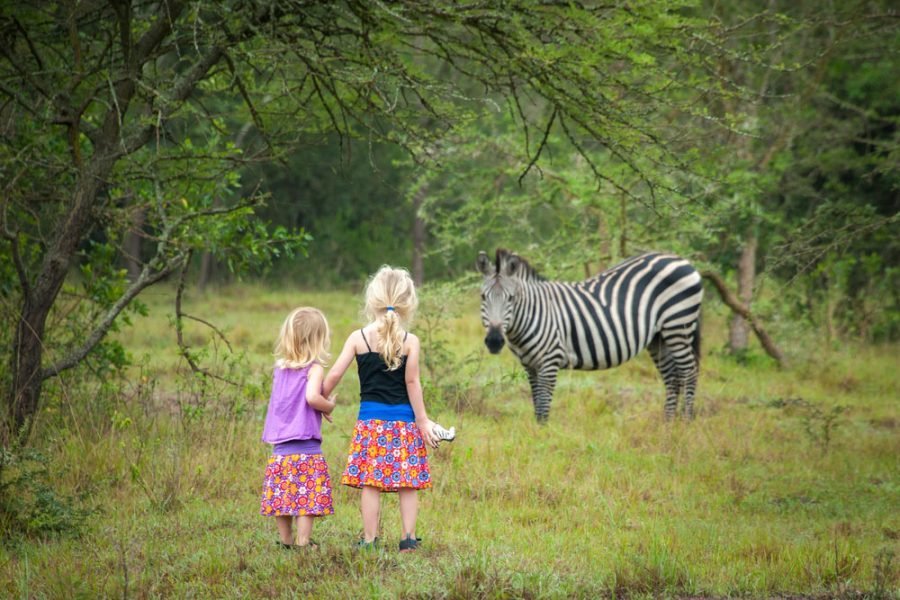
Lake Mburo is one of the few parks in Uganda offering ranger-guided walking safaris. Walk among zebras and giraffes, visit the salt lick hide, and learn tracking skills.
Horseback Safari
Operated by Mihingo Lodge, this is a truly unique experience. Ride through the savannah without engine noise, getting closer to timid animals like eland and topi .
Cycling Tours
Mountain biking in the park's buffer zones offers an active way to spot wildlife and enjoy the scenery.
Cultural Visit
Meet the Banyankole people, famous for their long-horned Ankole cattle. Visit a homestead, learn about cattle keeping, and enjoy traditional dance .
Birding paradise: 350+ species
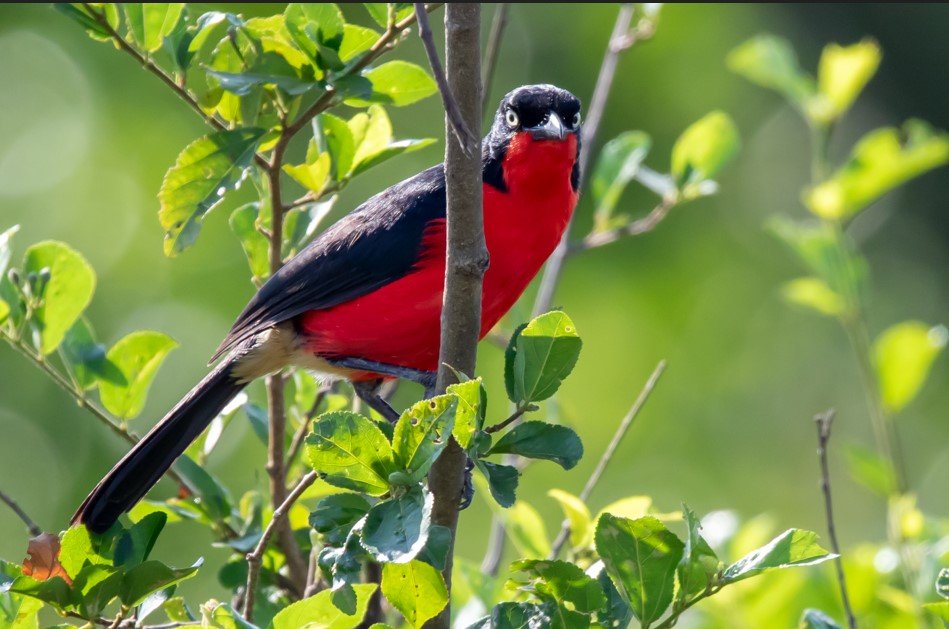
The park is a birdwatcher's dream, with species including the African finfoot, papyrus gonolek, red-faced barbet, bare-faced go-away bird, blue-headed coucal, brown-chested lapwing, Carruthers's cisticola, and Ross's turaco. The wetlands and acacia woodlands provide perfect backdrops for bird photography.
🗓️ Sample 3-Day Lake Mburo Safari Itinerary
Day 1: Arrival & Equator Experience
Early departure from Kampala/Entebbe (5:00 AM). Stop at the Equator in Kayabwe for photos and crafts. Arrive at Lake Mburo by lunchtime. Afternoon boat cruise on Lake Mburo (2 hours) to see hippos, crocodiles, and waterbirds. Overnight at your lodge.
Day 2: Walking Safari, Game Drive & Horseback Riding
Early morning bush walk with armed ranger to the salt lick – watch zebras and impalas up close. Return for breakfast, then a midday break. Afternoon options: game drive along Kazuma track or horseback safari with Mihingo Lodge. Evening nature walk (optional).
Day 3: Morning Game Drive & Return
Early morning game drive to spot nocturnal animals returning from hunting. Breakfast, then depart for Kampala/Entebbe with a picnic lunch en route. Optional stop at the Equator for souvenirs.
️ Where to stay: lodges & camps
| Luxury | Mid-Range | Budget |
|---|---|---|
| Mihingo Lodge (infinity pool, horseback safaris) | Rwakobo Rock (rock outcrop, panoramic views) | Eagle's Nest Camp (safari tents, sunset views) |
| Kimbla-Mantana Tented Camp | Lake Mburo Safari Lodge | Leopard Rest Camp (outside gate) |
| — | — | Rwonyo Rest Camp (UWA bandas & camping) |
Based on recommendations from.
Best time to visit
Dry season (June–August, December–February): Animals gather around water sources, excellent game viewing.
Wet season (March–May, September–November): Lush landscapes, migratory birds, great for photography, but roads can be slippery .
Getting to Lake Mburo
By road: 240 km from Kampala via Masaka (4–5 hours). Enter via Nshara Gate (near Lyantonde) or Sanga Gate .
By air: Chartered flights from Entebbe to Mbarara Airstrip (1 hour), then 1 hour drive to park.
Packing essentials
- Binoculars (for birding and wildlife spotting)
- Camera with zoom lens
- Insect repellent, sunscreen, hat
- Comfortable hiking boots (for walking safari)
- Light clothes for day, warm layer for evening
- Reusable water bottle
Ready to explore Lake Mburo?
Let Kyobe Safaris craft your perfect Lake Mburo escape – from a quick 1-day tour to a 3-day adventure combining boat cruises, walking safaris, and cultural visits. Every booking supports local communities.
⭐ What travellers say
“Aaron took us on a walking safari through Lake Mburo National Park, where we saw tons of zebras and even baby giraffes! It was so cool to be able to walk alongside these animals.”
— TripAdvisor review, August 2024
“The park is located in the middle of farmland and is therefore free of predators. For this reason, the rangers offer walking safaris. Such a safari is strongly recommended.”
— TripAdvisor review, January 2025
❓ Frequently Asked Questions
Is Lake Mburo safe for walking safaris?
Yes – all walking safaris are accompanied by an armed UWA ranger. The park has few predators, making it one of the safest places for walking.
Can I see giraffes in Lake Mburo?
Yes, giraffes were reintroduced in 2015 and are now regularly seen, especially around the acacia woodlands.
How far is Lake Mburo from Kampala?
About 240 km, 4–5 hours drive via Masaka. It's the closest national park to the capital [citation:4].
What makes Lake Mburo unique?
It's the only park in Uganda with impala and one of the few with Burchell's zebra. Also offers walking safaris and horseback riding.
Do I need a 4x4 vehicle?
A 2WD is usually sufficient in dry season, but a 4x4 is recommended for wet season access [citation:4].
📖 Read more: Kibale: The Primate Capital → or The Golden Bean: Ugandan Coffee Guide