Food is everything we are
"Food is everything we are. It's an extension of nationalist feeling, ethnic feeling, your personal history, your province, your region, your tribe, your grandma. It's inseparable from those from the get-go." – Anthony Bourdain [citation:1]
Uganda's culinary landscape is as diverse as its 56+ tribes and breathtaking geography. From the royal kitchens of the Buganda Kingdom to roadside stalls in Kampala, from the bamboo forests of Mount Elgon to the peanut fields of the north—every dish tells a story of tradition, community, and resourcefulness. Join us on a flavorful journey through Uganda's most beloved local delicacies.
A taste of Uganda
🍽️ Signature Dishes of Uganda
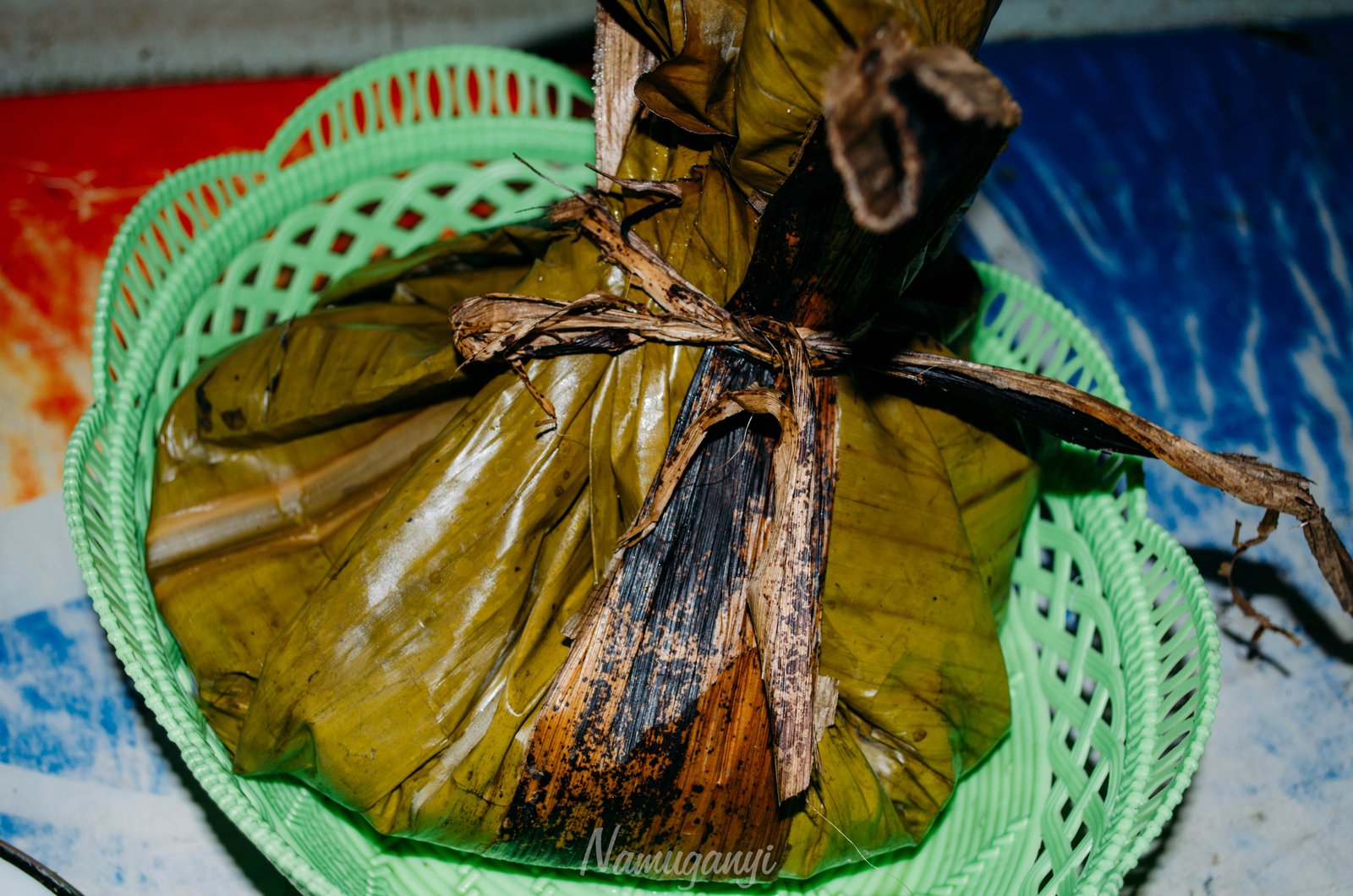
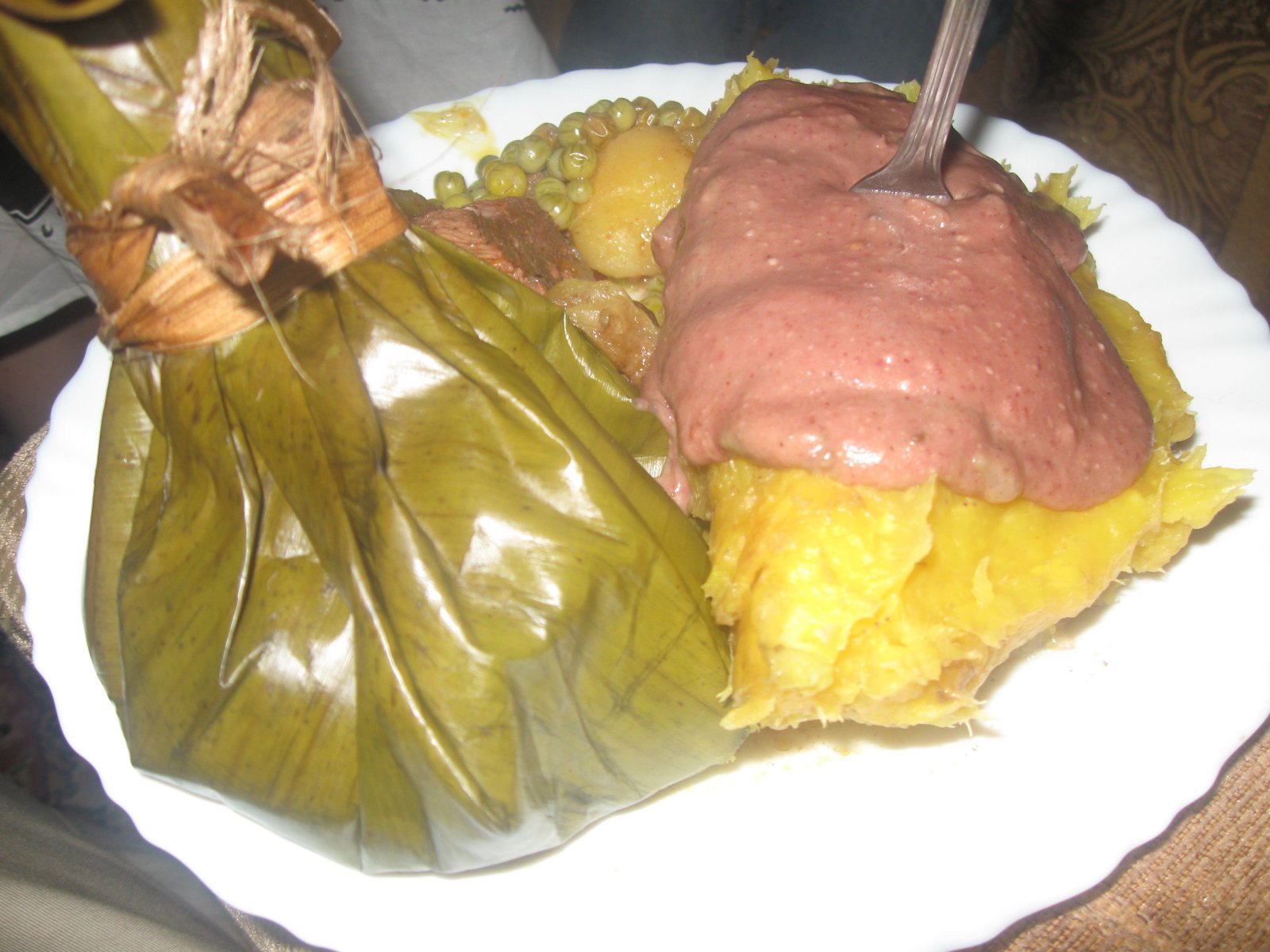
Luwombo
The royal dish. Luwombo is a traditional Ugandan stew made with chicken, beef, goat, mushrooms, or fish, steamed with groundnut paste and vegetables inside banana leaves. The leaves impart a subtle earthy aroma and keep the meat incredibly tender. Dating back to the 1880s Buganda Kingdom, it was reserved for kings and chiefs. Today, it's the centerpiece of weddings and special occasions. [citation:1][citation:3]
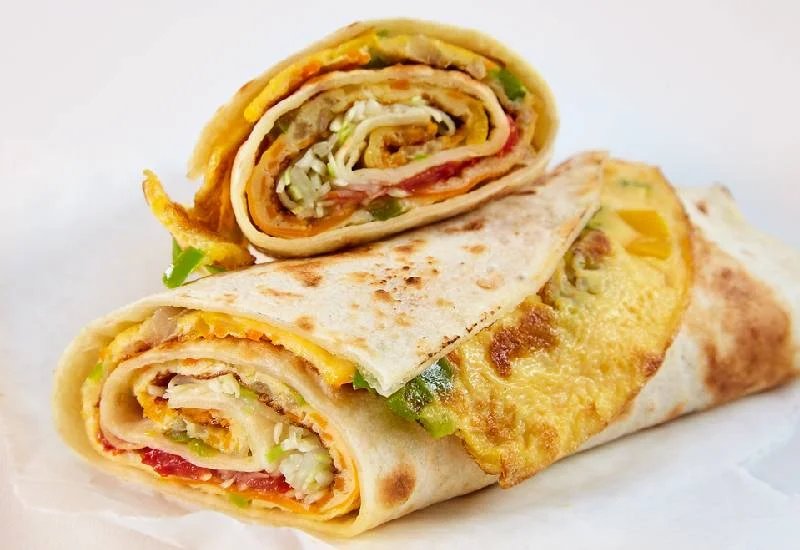
Rolex
Rolled eggs = Rolex. Uganda's most famous street food: a chapati wrapped around an omelette with cabbage, tomatoes, onions, and sometimes minced meat. Affordable, delicious, and found on every corner. So beloved it has its own annual festival in Kampala. [citation:1][citation:5]
Matoke
Uganda's national dish. Green bananas (plantains) steamed and mashed into a soft, starchy pillow. Served with groundnut sauce, beans, or meat stew. Uganda is the world's largest producer of plantains – 9.5 million metric tons annually. [citation:5][citation:7][citation:9]
Katogo
The ultimate breakfast. A hearty mix of matoke (or cassava/sweet potatoes) cooked together in one pot with offal, beef, beans, or groundnut sauce. Originally a "poor man's meal," now a beloved delicacy served in restaurants and hotels. [citation:1][citation:4]
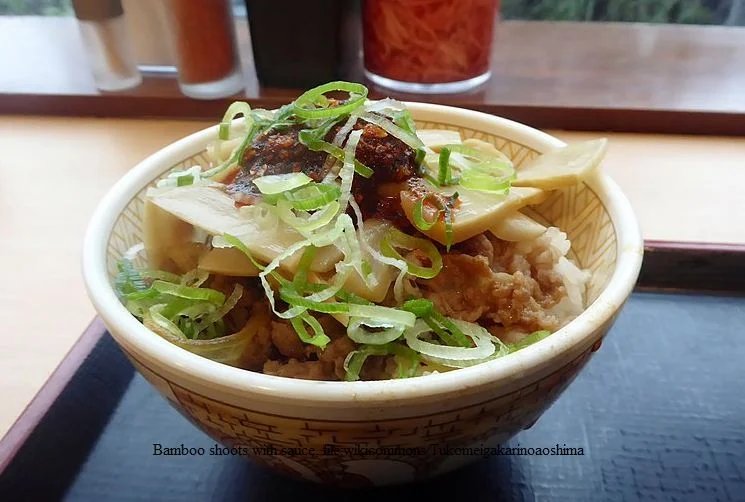
Malewa
Bamboo shoots from Mt. Elgon. Young bamboo shoots are harvested, sun-dried under mountain caves, and smoked to develop a deep, umami flavor. Rehydrated and cooked in groundnut paste, malewa tastes like forest mushrooms. Traditionally served to young men during circumcision ceremonies to give them bravery. [citation:1][citation:8]
Ebinyebwa (Groundnut Stew)
The unifying sauce. Groundnuts (peanuts) are pounded traditionally in a mortar and pestle, then simmered into a thick, smoky stew. Can be mixed with smoked fish, meat, mushrooms, or greens. Served with matoke, rice, sweet potatoes, or posho. At weddings, "no buffet is complete without ebinyebwa." [citation:6]
Sombe (Cassava Leaves)
Pounded greens. Young cassava leaves are sun-dried, pounded in a mortar, then slow-cooked with palm oil, onions, and either fish, meat, or groundnuts. The long cooking neutralizes hydrocyanic acid naturally present in raw leaves. Served with kalo (millet bread), rice, or matoke. Popular across the Congo border and Rwenzori region. [citation:2]
Gonja (Roasted Plantain)
Sweet, smoky, simple. Ripe plantains charcoal-roasted until caramelized. Served year-round by roadside vendors – just a simple sigiri grill and a pile of gonja. A pair costs about 1000 UGX. Can also be boiled or fried, but roasted is the classic. [citation:9]
🍲 More traditional flavors
🐟 Nsenene & Nswaa
Grasshoppers and white ants. Seasonal delicacies – nsenene (grasshoppers) appear in April–May and November–December, deep-fried with onions and chili. Nswaa (winged termites) emerge after rains, toasted and eaten like popcorn. [citation:5]
🍛 Eshabwe
Ghee sauce. A Banyankole specialty: fermented ghee mixed with rock salt and water into a creamy, tangy sauce. Served with matoke or millet bread. [citation:8]
🥘 Firinda
Mashed beans. Batooro and Banyoro dish: beans are soaked, peeled, boiled, and mashed into a thick paste with ghee, onions, and tomatoes. Eaten with millet bread. [citation:8]
🍢 Kikomando
Chapati & beans. A chapati sliced into pieces, topped with fried beans. Popular with students and budget diners. [citation:5]
👑 Food as culture
In Uganda, food is never just fuel. It's identity:
- Luwombo – signified respect; served to kings and honored guests [citation:3]
- Malewa – fed to young men before circumcision to grant bravery [citation:1]
- Katogo – evolved from "poor man's meal" to beloved breakfast [citation:4]
- Ebinyebwa – brings Ugandans together; a diaspora favorite that reminds them of home [citation:6]
"For more than 50 years, no stew has stuck closer than a brother to Ugandans' mealtime than groundnut stew." [citation:6]
📍 Where to experience Ugandan cuisine
- Street food: Rolex at any corner; gonja from roadside vendors; nsenene in season.
- Local restaurants: Most hotels and restaurants serve matoke, groundnut sauce, and katogo for breakfast.
- Cultural visits: Kyobe Safaris can arrange community visits where families prepare traditional dishes – try luwombo with a Baganda family, malewa near Mbale, or eshabwe with Banyankole pastoralists.
- Markets: Nakasero Market, Owino Market – see ingredients, watch food prep, and sample fresh produce.
🍴 Taste Uganda with Kyobe Safaris
Let us design a culinary journey through Uganda – from street food tours in Kampala to community meals in the countryside. Savor the flavors, meet the cooks, and understand the culture through its food.
"The luwombo we shared with a family in Kampala was life-changing. Wrapped in banana leaves, steamed for hours – the tenderness! And learning that it was once served to kings made it even more special."
— Emma, UK (travelled January 2026)
❓ Frequently Asked Questions
What is the most popular street food in Uganda?
Rolex – a chapati filled with an egg omelette and vegetables. Found everywhere, affordable, and delicious. [citation:1]
What is Uganda's national dish?
Matoke – steamed and mashed green bananas, served with groundnut sauce or meat stew. [citation:5][citation:7]
Is Ugandan food spicy?
Generally mild, though chili can be added. Dishes focus on deep, savory flavors from groundnuts, smoked ingredients, and banana leaf steaming.
Can vegetarians find good food in Uganda?
Absolutely! Groundnut stew (ebinyebwa), sombe (cassava leaves), Malewa (bamboo shoots), and countless vegetable sides are widely available. [citation:2][citation:6]
What is the best time to eat grasshoppers (nsenene)?
April–May and November–December – peak harvest seasons. They're deep-fried with onions and chili. [citation:5]
📖 Read more: Kampala City Tour → or Mungu Ninguzo Skilling Center