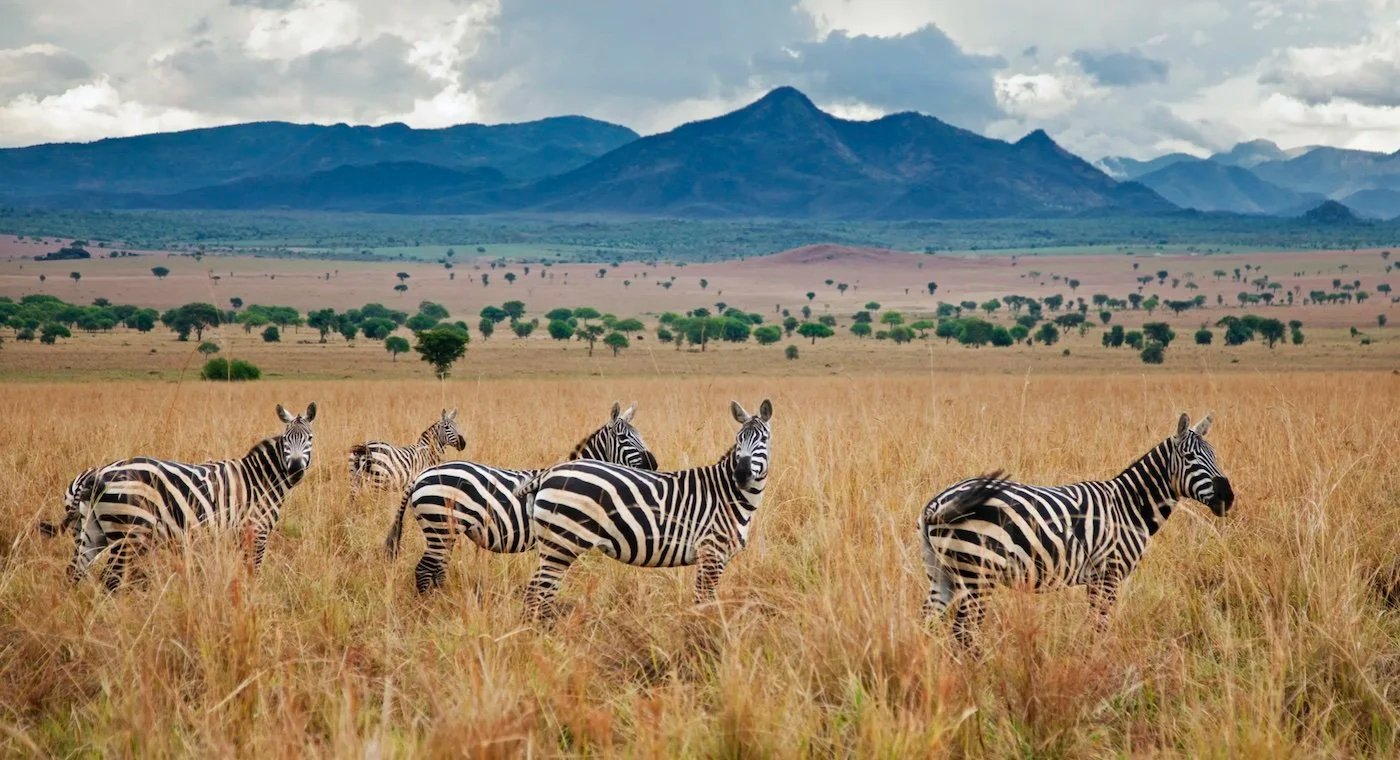
Explore East Africa's Natural Wonders
From majestic mountains to vast savannas, discover the incredible biodiversity of our region
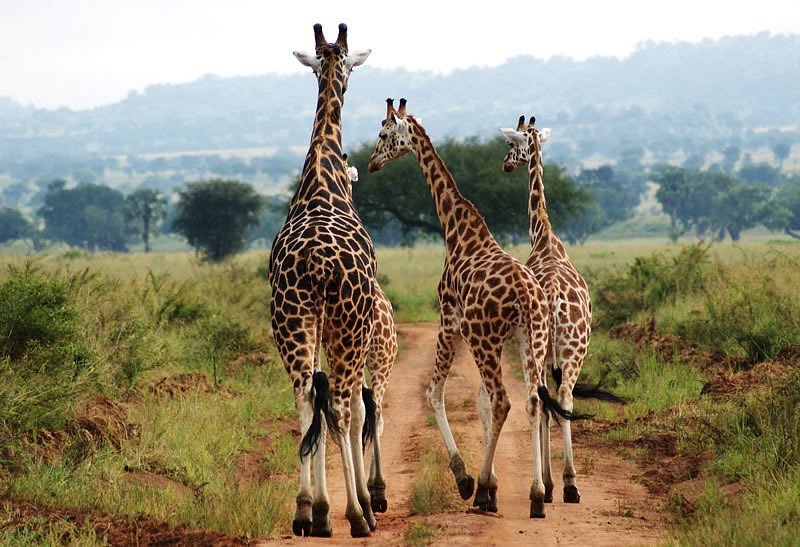
Discover the diverse wildlife and breathtaking landscapes of East Africa's protected areas
From majestic mountains to vast savannas, discover the incredible biodiversity of our region
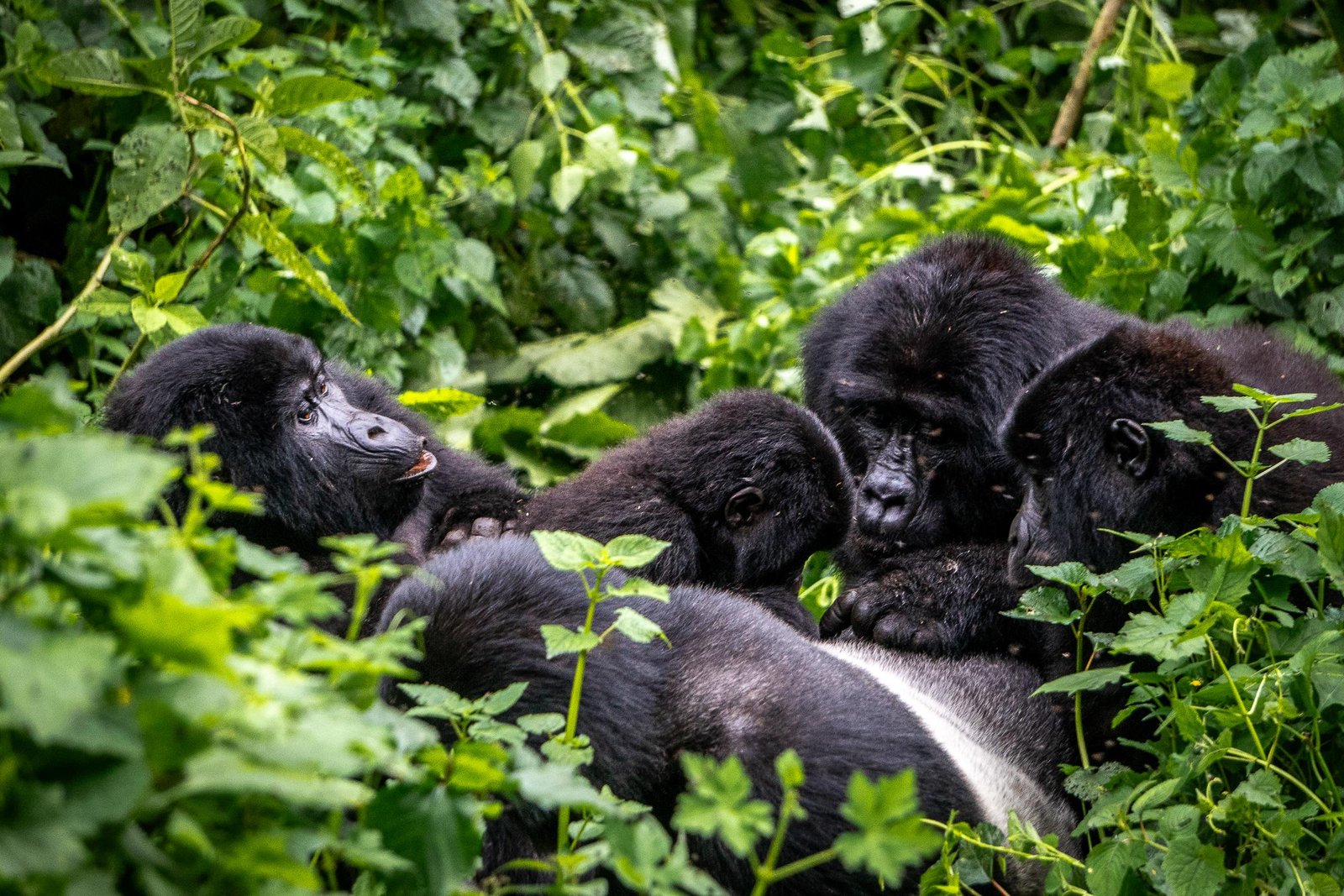
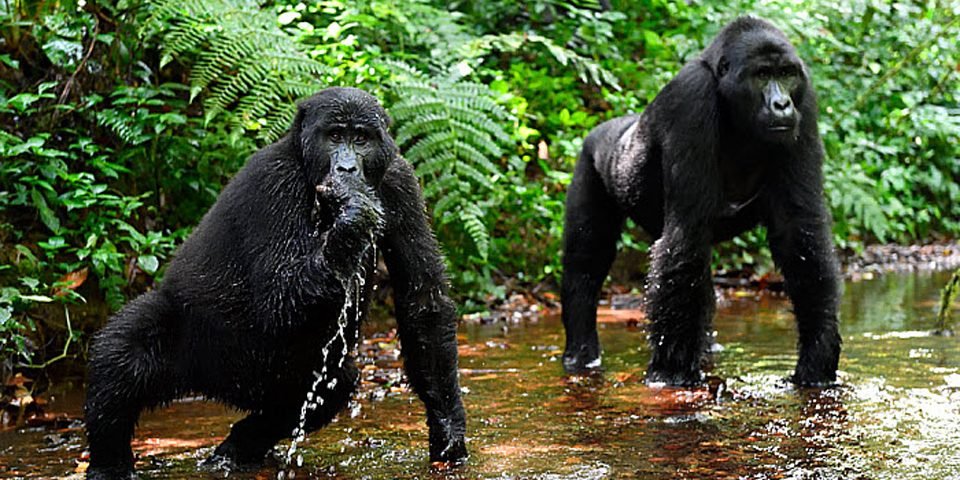
Location: Southwestern Uganda
Size: 331 square kilometers
Known For: Mountain gorillas (half of the world's population), 120 mammal species, 350 bird species, 220 butterfly species
Activities: Gorilla trekking, nature walks, bird watching, community visits
Best Time to Visit: June to August and December to February (dry seasons)
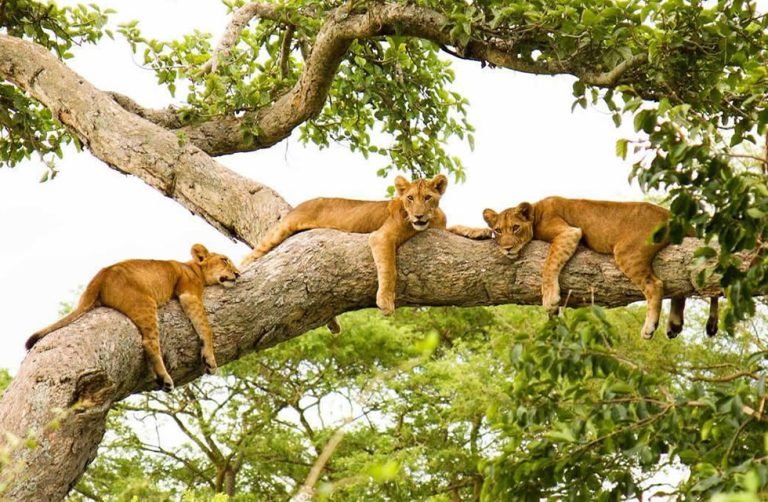
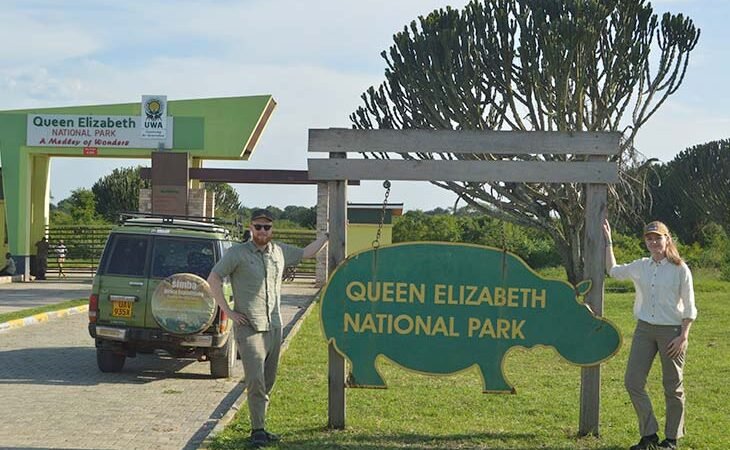
Location: Western Uganda
Size: 1,978 square kilometers
Known For: Tree-climbing lions, 95 mammal species, over 600 bird species, Kazinga Channel
Activities: Game drives, boat safaris, chimpanzee tracking in Kyambura Gorge, bird watching
Best Time to Visit: January to February and June to July (dry seasons)
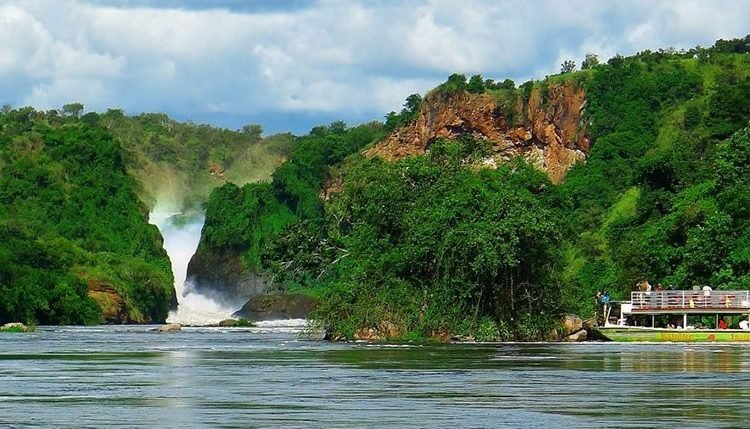
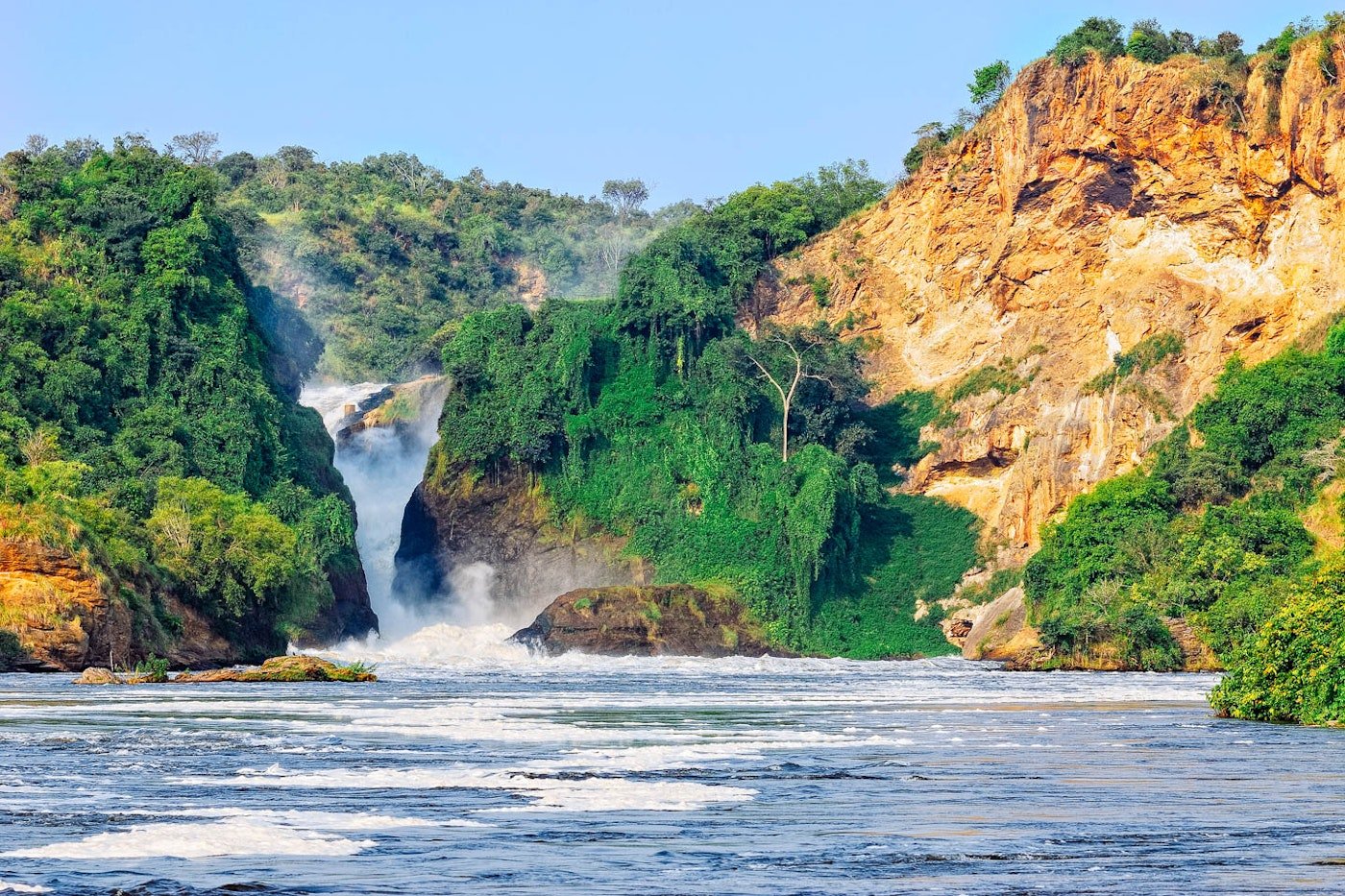
Location: Northwestern Uganda
Size: 3,840 square kilometers (Uganda's largest park)
Known For: Murchison Falls (Nile River), 76 mammal species, 450 bird species
Activities: Boat cruises to the falls, game drives, chimpanzee tracking in Budongo Forest
Best Time to Visit: December to February and June to September (dry seasons)
Plan your adventure with our gorilla trekking safari packages or explore our wildlife safari tours.
Kyobe Safaris is committed to sustainable tourism practices that support conservation efforts in East Africa's national parks:
When you book with Kyobe Safaris, a portion of your fee goes directly to conservation projects in the parks you visit.